Tennis Networking Gay: Bond Over Sport & Find Connections

Reading time: 9 minutes
Tennis clubs have quietly become one of the most effective spaces for tennis networking gay men to build meaningful connections. While traditional dating apps serve their purpose, the tennis court offers something no profile swipe can replicate: authentic interaction through shared athletic passion. You're not just messaging someone hoping for chemistry—you're observing their character through how they handle a missed serve or celebrate your winning shot.
The intersection of sport and social connection creates opportunities that extend far beyond the baseline. Whether you're seeking casual companionship or exploring arrangements with successful partners, tennis provides the perfect backdrop for natural conversation and genuine rapport.
Why Tennis Courts Attract Professional Gay Men
Tennis has historically been a sport favored by affluent circles, making it ideal terrain for meeting established professionals. According to the Tennis Industry Association, household income for tennis participants averages $85,000, notably higher than most recreational sports. Many successful gay men gravitate toward tennis clubs specifically because they offer privacy, exclusivity, and a built-in social filter.
Unlike crowded gym scenes or noisy bars, tennis courts provide focused one-on-one time. This intimacy allows for deeper assessment of compatibility beyond physical attraction. You observe someone's patience, competitive spirit, and how they treat staff—qualities that matter significantly in any relationship dynamic.
Private clubs in particular foster environments where professional networking and personal connections naturally intertwine. Members often schedule matches during lunch breaks or early mornings, creating regular touchpoints that build familiarity organically.
Finding the Right Tennis Club for Tennis Gay Men
Not all tennis facilities offer the same networking potential. Municipal courts may provide affordable access, but private clubs typically deliver the demographic you're seeking. Research clubs in your area with strong LGBTQ+ membership or progressive reputations.
The John Newcombe Tennis Ranch in Texas and SPORTIME clubs in New York have cultivated welcoming environments that attract diverse professional communities. When touring potential clubs, ask about mixed doubles leagues, social tournaments, and member demographics. Pay attention to locker room culture and whether same-sex couples are visibly comfortable.
Many metropolitan clubs host Pride events or sponsor LGBTQ+ athletic organizations, signaling their commitment to inclusive spaces. These establishments often become hubs where tennis gay men naturally congregate, making introductions feel less forced.
Membership Investment Strategies
Initiation fees at private clubs range from $2,000 to $15,000, with monthly dues between $200 and $800. If full membership seems steep, consider these alternatives:
- Trial memberships (typically 3-6 months at reduced rates) let you test the social environment before committing
- Off-peak memberships cost significantly less while still providing facility access during early mornings or weekdays
- Guest privileges through current members allow you to attend social events and gauge compatibility with the club culture
- Corporate partnerships sometimes offer subsidized memberships if your employer has existing club relationships
The investment often pays dividends beyond tennis itself. Many arrangements and relationships that begin on the court extend into business partnerships, travel opportunities, and long-term companionship. Similar to how equestrian lifestyle activities create bonding through shared interests, tennis offers structured opportunities for connection.
Court Etiquette That Opens Doors
Proper tennis etiquette signals social awareness that extends beyond the sport. Always arrive five minutes early, bring extra balls, and offer genuine compliments on good shots—even from opponents. These small gestures demonstrate consideration that prospective partners notice.
When you're introduced to potential tennis partners, suggest playing a casual set rather than competitive match play initially. This removes pressure and allows authentic personality to emerge. Avoid excessive coaching unless explicitly asked, as unsolicited advice can feel condescending regardless of skill differential.
Between games, ask open-ended questions about their tennis journey rather than generic small talk. "How did you first get into tennis?" opens conversational space more effectively than commenting on weather. If someone mentions playing at specific clubs or resorts, that's valuable intel about their lifestyle and travel patterns.
Post-Match Transition Techniques
The real networking happens after you leave the court. Suggest grabbing drinks at the club bar or nearby café while the endorphins are still flowing. This natural progression feels organic rather than forced date request.
During these casual meetups, balance showing interest with maintaining mystery. Share enough about your background to seem genuine, but don't overwhelm with life stories. If conversation flows easily, exchange numbers for future matches rather than immediately suggesting dinner dates. Building rapport through repeated tennis interactions creates stronger foundations than rushing romantic escalation.
Just as breath work techniques help manage social anxiety, having post-match rituals reduces pressure around extending connections beyond the court.
Tennis Clubs as Social Networking Hubs
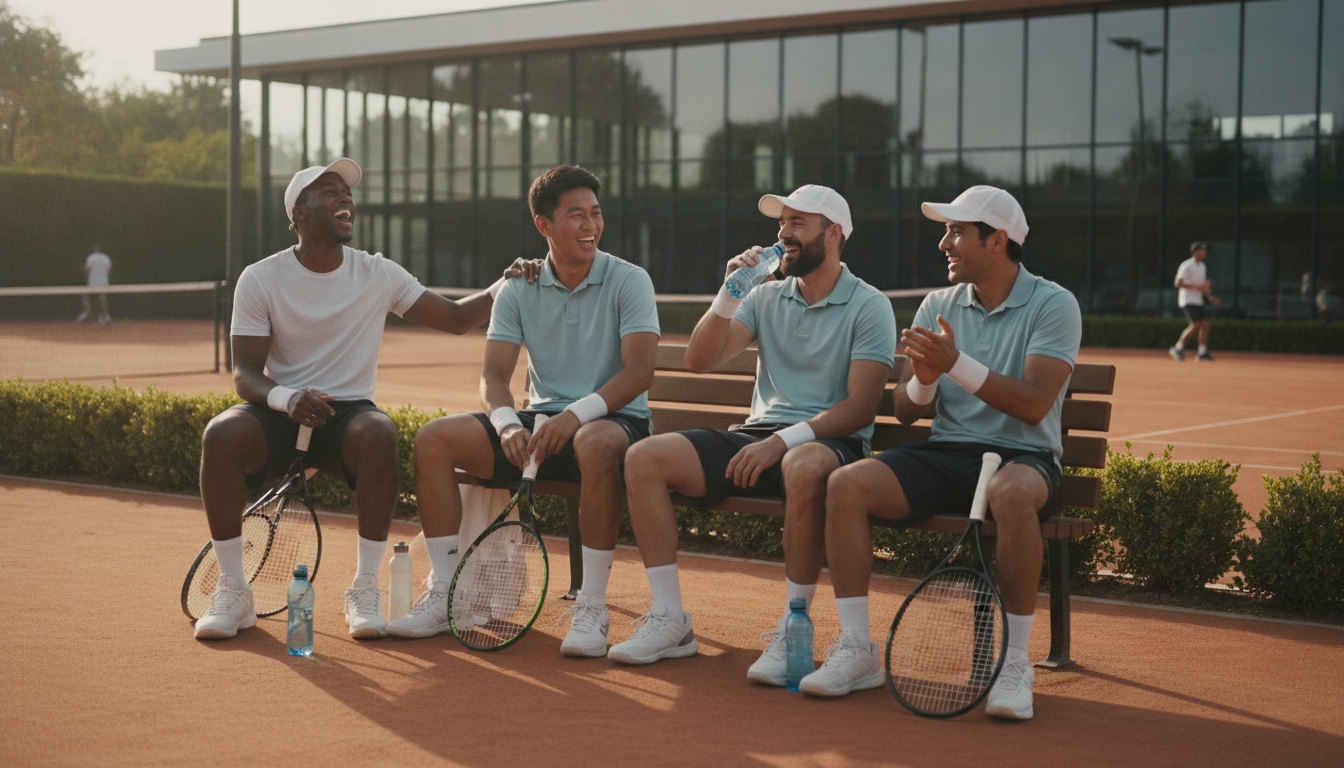
Most clubs schedule regular social mixers, round-robin tournaments, and themed events that facilitate tennis club dating organically. Sign up for mixed doubles leagues even if you typically play singles—partnering with different members expands your network exponentially.
Volunteer to help organize club socials or charity tournaments. These leadership roles increase visibility while demonstrating community investment. Members remember those who contribute beyond showing up for their own matches.
Pay attention to the club's calendar for wine tastings, holiday parties, and member appreciation events. These gatherings attract your target demographic in relaxed settings where conversations aren't limited to tennis. Someone you've exchanged casual court banter with becomes more interesting when you discover shared interests over appetizers.
Conversation Starters Beyond Tennis Scores
While tennis provides the initial connection point, conversations must evolve past forehands and backhands. Reference pro tournaments casually—"Did you catch the US Open finals?"—but don't dominate with technical analysis unless your partner shows enthusiast-level interest.
Notice accessories and equipment choices. Premium rackets, designer athletic wear, or luxury watch brands offer subtle clues about someone's lifestyle. A genuine compliment like "That's a beautiful Rolex Submariner—do you collect watches?" can open conversations about passions beyond sport.
Travel stories connected to tennis create natural segues. "I played the most stunning courts in Palm Springs last winter" invites responses about their own travel experiences. If someone mentions international tennis destinations, that signals both financial means and adventurous spirit—qualities valuable in arrangement dynamics. This parallels how travel companion situations often begin through shared interest discussions.
Reading Interest Signals
Body language during court breaks reveals attraction more reliably than words. Sustained eye contact, leaning in during conversation, and finding excuses to extend time together all indicate genuine interest. If someone suggests playing again "sometime" without proposing specific dates, they're likely being polite rather than interested.
Conversely, when someone immediately opens their calendar or suggests joining them for their regular Thursday morning matches, they're creating space for you in their routine. That level of invitation signals they see potential beyond casual acquaintance.
Respect boundaries if someone keeps conversations strictly sport-focused despite your attempts to deepen connection. Not everyone seeks romantic or arrangement opportunities through tennis—some genuinely just want to play.
Progressing From Tennis Partner to Something More
Once you've established regular playing rapport, suggest activities adjacent to tennis interests. Premium tickets to professional matches, trying a new club together, or entering a doubles tournament as partners all deepen connection while maintaining the tennis framework.
These shared experiences outside regular court time reveal compatibility in different contexts. Someone's reaction to losing a competitive match shows how they handle disappointment. How they treat service staff at post-match meals indicates character. These observations inform whether to pursue deeper relationship territory.
When you sense mutual interest extending beyond sport bonding, be direct about intentions without pressure. "I've really enjoyed getting to know you these past weeks—I'd love to take you to dinner sometime" communicates clearly while respecting their autonomy to decline.
Tennis Networking Gay Men Can Build Long-Term Connections

The most successful tennis-based relationships often develop slowly rather than rushing toward definition. Regular matches create consistent touchpoints that build trust incrementally. Unlike app-based connections that demand immediate chemistry assessment, tennis allows relationships to unfold naturally across weeks or months.
Many men in affluent circles specifically prefer meeting potential partners through activities like tennis because it demonstrates shared values around health, discipline, and social engagement. These commonalities create stronger foundations than physical attraction alone.
Some arrangements that begin as tennis partnerships evolve into mentorships, business collaborations, or long-term companionships. The sport becomes the thread connecting various relationship dimensions, providing consistent shared activity even as other aspects deepen.
FAQ
How do I approach someone I'm interested in at a tennis club without seeming too forward?
Start with court-specific compliments on their game and suggest hitting together sometime as practice partners. This frames initial connection around tennis improvement rather than dating intent, reducing pressure. Natural chemistry reveals itself through repeated interactions before you need to express romantic interest explicitly.
What's the etiquette for asking a tennis partner to dinner after we've played several times?
Transition happens most smoothly after a particularly enjoyable match when conversation already flows easily. Frame it casually: "This has been great—we should grab dinner after our next match and not rush off." This keeps invitation low-stakes while clearly signaling interest in time beyond court.
Can tennis clubs really lead to meaningful relationships or are they just for casual networking?
Tennis environments facilitate both casual connections and serious relationships depending on what you're seeking. The consistent interaction pattern allows genuine compatibility assessment that superficial encounters can't provide. Many long-term partnerships begin through repeated court meetings that gradually deepen over shared meals and social events.
How can I tell if someone's interested in me romantically versus just wanting a regular tennis partner?
Watch for interest extending beyond scheduling matches—asking about your week, remembering personal details you've mentioned, suggesting non-tennis activities together, and initiating contact between matches all signal romantic interest. Pure tennis partners typically keep conversation court-focused and don't seek connection outside playing times.
What should I do if I'm not very skilled at tennis but want to join a club for networking?
Take group lessons or hire a pro for private coaching initially to build basic competency, then join beginner leagues where skill expectations match your level. Many successful connections happen among players improving together rather than advanced competitors. Clubs appreciate members who invest in lessons as it shows commitment to the sport and community.
Serve Your Way to Meaningful Connections
Tennis networking gay men use isn't about becoming the next Wimbledon champion—it's about leveraging shared athletic interests to build authentic relationships. The structured yet social nature of tennis creates ideal conditions for connections that might never form through apps or traditional venues.
Courts provide what digital profiles cannot: real-time insight into character, compatibility, and chemistry. Every serve, rally, and post-match conversation reveals layers that help you assess whether someone merits deeper investment of your time and energy.
The beauty of tennis networking lies in its low-pressure progression. You're not forcing connection—you're allowing it to develop naturally through shared activity. Whether that leads to casual arrangement, meaningful partnership, or simply expanded social circle, the investment in tennis skills and club membership often returns dividends beyond what you initially anticipated.
Start with finding the right club for your goals and budget. Commit to regular playing schedule. Approach interactions with genuine interest rather than agenda. Let the sport create space for connections to emerge organically. Tennis courts have facilitated countless meaningful relationships—yours might begin with the next match you schedule.