Breath Work Techniques: Stay Calm in Any Social Situation

Reading time: 9 minutes
Your heart races as you step into the private dining room where your wealthy partner is hosting industry leaders. Or maybe you're about to meet his influential circle at an exclusive gallery opening. These high-pressure moments can trigger social anxiety that threatens to derail your confidence. But there's a scientifically-backed tool that fits in your pocket and requires zero equipment: breath work techniques.
Research from Stanford University's Huberman Lab confirms that specific breathing patterns directly influence your autonomic nervous system, shifting you from stress response to calm alertness in under two minutes. For gay men navigating affluent social circles, mastering these techniques isn't just about wellness; it's about showing up as your best self when it matters most.
Why Breath Work Techniques Matter in High-Stakes Social Situations
When you enter environments where you're meeting wealthy partners or their professional networks, your body often interprets these situations as threats. Your sympathetic nervous system activates, increasing cortisol and adrenaline. You might experience shallow breathing, racing thoughts, or that uncomfortable feeling of being "on display." Traditional advice like "just relax" fails because it doesn't address the physiological response happening in your body.
A 2023 study published in Cell Reports Medicine found that breathwork interventions significantly reduced anxiety symptoms more effectively than mindfulness meditation alone. The researchers at Stanford tracked 108 participants and discovered that daily five-minute breathing exercises produced measurable improvements in mood and stress reduction. This matters when you're about to walk into a fundraiser gala or meet your partner's business associates for the first time.
The Box Breathing Technique: Your Social Anxiety Reset Button
Navy SEALs use box breathing before high-pressure missions, and you can deploy it before walking into any intimidating social setting. The method involves four equal phases, each lasting four seconds. Inhale through your nose for four counts, hold for four counts, exhale for four counts, then hold empty for four counts. Repeat this cycle four to six times.
I first learned this technique before attending a charity auction where my partner introduced me to a tech entrepreneur worth over $200 million. Sitting in the car outside the venue, I completed three rounds of box breathing. My heart rate slowed from 95 beats per minute to 72. More importantly, my mental clarity returned. I walked in feeling grounded rather than scattered.
The beauty of box breathing is its accessibility. You can practice it in a bathroom stall, sitting at a restaurant table before your date arrives, or even during a conversation by slightly modifying the hold phases. For situations like navigating first-date conversations, having this tool ready transforms your confidence level.
Physiological Sigh: The Two-Minute Stress Eliminator
Dr. Andrew Huberman identified the physiological sigh as the fastest way to reduce stress in real-time. This pattern involves two quick inhales through your nose followed by an extended exhale through your mouth. The double inhale reinflates the alveoli in your lungs, which collapse slightly during stress, while the long exhale activates your parasympathetic nervous system.
Here's the exact protocol: Take a deep inhale through your nose, then immediately take a second shorter inhale to top off your lungs completely. Follow this with a slow, extended exhale through your mouth that lasts longer than both inhales combined. Repeat this three to five times.
This technique saved me during a particularly challenging moment at a rooftop dinner. The conversation shifted to cryptocurrency investments, a topic where I felt completely out of my depth. Rather than panic or fake knowledge, I excused myself briefly, performed five physiological sighs on the terrace, and returned with a clearer mindset. I asked genuine questions instead of pretending expertise. The technique works because it addresses the carbon dioxide buildup that occurs during anxious, shallow breathing.
When to Use the Physiological Sigh
Deploy this breath work technique when you notice early signs of overwhelm. Maybe someone asks an unexpectedly personal question at dinner. Perhaps you're about to give an impromptu toast. Or you're walking into an elevated dining experience where you feel underprepared. The physiological sigh works precisely because it's brief and can be disguised as a natural breathing pattern.
4-7-8 Breathing: The Evening Wind-Down Protocol

After intense social situations, your nervous system often remains activated for hours. The 4-7-8 technique, developed by Dr. Andrew Weil of the University of Arizona, helps transition your body into recovery mode. Inhale quietly through your nose for four counts, hold for seven counts, then exhale completely through your mouth for eight counts. Complete four full cycles.
The extended hold and prolonged exhale force a parasympathetic response, which is exactly what you need after spending three hours "on" at a business dinner or charity gala. According to Dr. Weil's research shared through the University of Arizona's Integrative Medicine program, this pattern can reduce blood pressure and promote relaxation within minutes.
I use this technique in the car after social events where I've felt performance pressure. It prevents the post-event anxiety spiral where you replay every conversation, questioning whether you said the right things. The breath work literally changes your brain state, moving you from analysis to acceptance.
Alternate Nostril Breathing: Ancient Wisdom Meets Modern Stress
Pranayama breathing practices from yoga traditions offer powerful stress management tools. Alternate nostril breathing, called Nadi Shodhana, balances your nervous system by engaging both brain hemispheres. Close your right nostril with your thumb, inhale through the left. Close the left nostril with your ring finger, release your thumb, and exhale through the right. Inhale right, switch, exhale left. That's one complete round.
This technique requires privacy, making it ideal for pre-event preparation rather than mid-conversation use. Before attending gallery openings where impression management matters, spend five minutes with this practice. Research published in the International Journal of Yoga in 2013 demonstrated that regular practice reduced perceived stress and improved cardiovascular parameters among participants.
Practical Implementation: Building Your Breath Work Routine
Effective stress management through breathing requires consistent practice. Your nervous system develops patterns. If you only attempt breath work techniques during crisis moments, you won't access their full benefit. Here's how to integrate these practices into your dating and social life:
- Practice box breathing for two minutes every morning before checking your phone, establishing baseline competence with the technique
- Use physiological sighs whenever you notice tension building in your shoulders or jaw throughout the day, creating an automatic stress-response pattern
- Complete the 4-7-8 protocol before bed, training your body to associate breathwork with relaxation and recovery
- Schedule alternate nostril breathing for 10 minutes before high-stakes social events, giving yourself a preparation ritual that signals your nervous system
- Track your practice in a simple journal noting situations where breath work helped, reinforcing the mind-body connection
Combining Breath Work With Other Wellness Strategies
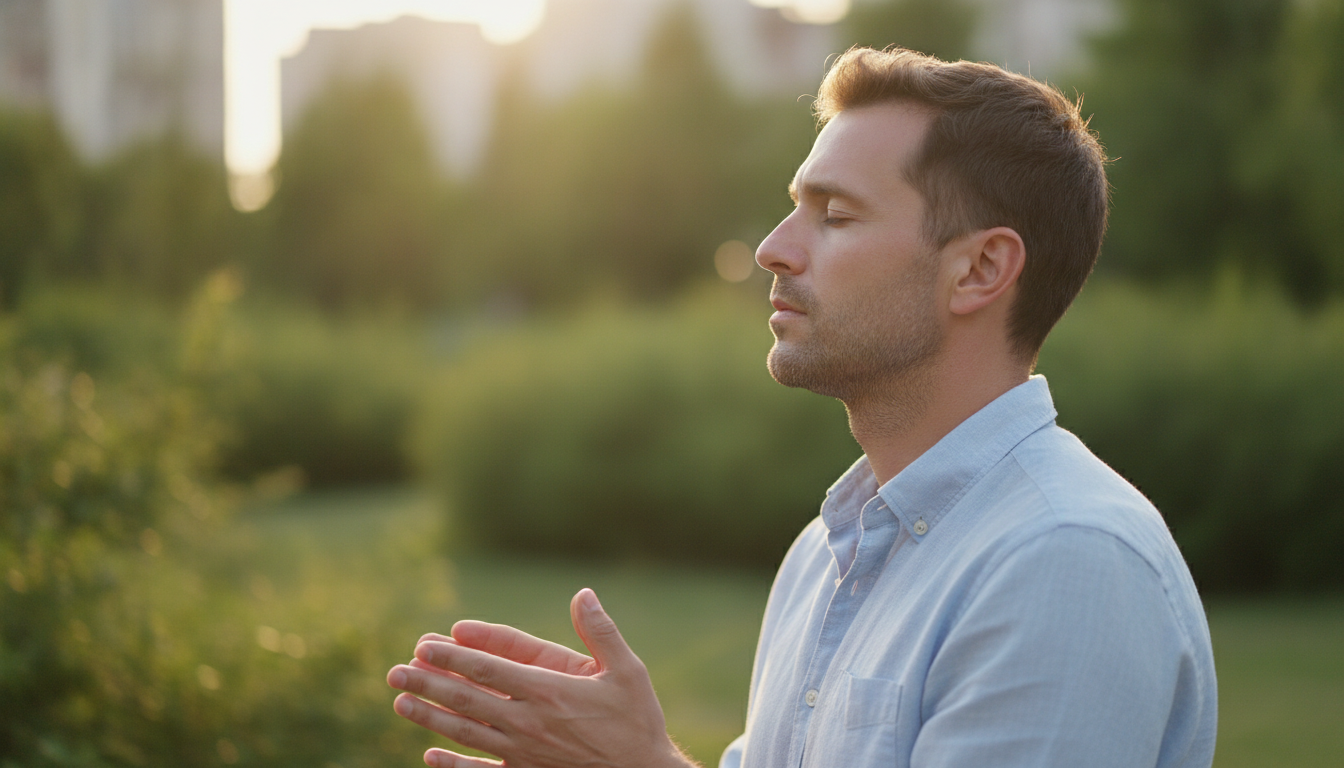
While breath work techniques deliver immediate results, they amplify when paired with broader wellness approaches. The mindfulness practices that strengthen wealthy partnerships create a foundation where breathwork becomes even more effective. Similarly, addressing underlying impostor syndrome in affluent circles reduces the frequency and intensity of anxious moments requiring intervention.
Think of breathwork as your emergency toolkit, not your only tool. When combined with adequate sleep, regular physical activity, and honest communication with your partner about social anxiety, these techniques transform from reactive measures to proactive confidence builders. The goal isn't eliminating all nervousness in social situations; it's managing your physiological response so anxiety doesn't control your behavior.
Common Mistakes That Reduce Breath Work Effectiveness
Many people try breathing exercises once during a panic moment and dismiss them as ineffective. This approach fails because your nervous system needs training. A baseball player doesn't learn to hit by swinging once under pressure; they practice thousands of times in low-stakes environments first.
Another mistake involves forcing breath patterns beyond your natural capacity. If holding your breath for seven counts creates more stress than it relieves, adjust to five counts. The rhythm matters more than perfectly hitting prescribed numbers. Your physiology is individual. A 2022 systematic review in Frontiers in Psychology confirmed that breathwork effectiveness varies based on individual baseline anxiety levels and practice consistency.
Finally, avoid using breath work techniques as avoidance strategies. If social anxiety consistently disrupts your life despite regular practice, consider working with a therapist specializing in LGBTQ+ issues. Breath work manages symptoms brilliantly but doesn't replace addressing root causes when necessary.
Frequently Asked Questions About Breath Work Techniques
How quickly do breath work techniques reduce anxiety in social situations?
Most people notice physiological changes within 60 to 90 seconds of starting focused breathing exercises. Your heart rate begins slowing, and mental clarity improves. However, the subjective feeling of calmness often takes two to three minutes of consistent practice. The physiological sigh delivers the fastest results, often providing noticeable relief in under 60 seconds.
What's the best breath work technique for last-minute anxiety before meeting wealthy partners?
The physiological sigh offers the most efficient anxiety reduction when time is limited. You can complete five cycles in approximately 90 seconds, and it requires no counting or complex patterns. Box breathing serves as a close second, particularly if you need a slightly longer calming session and have three to four minutes available.
Can breath work techniques help with ongoing social anxiety rather than just acute episodes?
Yes, daily breathwork practice can reduce baseline anxiety levels over time. The Stanford Cell Reports Medicine study showed that participants practicing just five minutes daily experienced sustained improvements in mood and stress resilience. Consistency matters more than duration. Ten minutes of practice three times weekly produces better long-term results than occasional 30-minute sessions.
Why do some breathing exercises make me feel dizzy or lightheaded?
Dizziness typically results from hyperventilation, which creates an imbalance between oxygen and carbon dioxide in your bloodstream. This happens when you breathe too quickly or too deeply during practice. Always start with gentle, natural breath depth and gradually extend duration. If lightheadedness occurs, pause the technique and breathe normally until equilibrium returns. Never force breath holds beyond comfortable limits.
How do I practice breath work techniques discreetly during social events?
The physiological sigh appears most natural in conversation, resembling a deep sigh of contentment. Box breathing works well when you're listening to others speak; simply breathe through your nose with a slight mental count. Excuse yourself to the restroom when you need more intensive practice like alternate nostril breathing. Most people are too focused on themselves to notice subtle breathing pattern changes.
Take Control of Your Social Experience Through Breath
High-pressure social situations in affluent gay dating environments will always exist. Meeting your partner's business contacts, attending exclusive events, and navigating wealthy circles naturally triggers anxiety responses. What changes is your ability to manage these responses effectively. Breath work techniques provide scientifically-validated tools that work anywhere, require no equipment, and deliver results in minutes.
Start today with just one technique. Choose box breathing and practice for two minutes tomorrow morning. Notice how your body responds. Build consistency before adding complexity. Within two weeks of daily practice, you'll access these tools automatically when stress appears. Your nervous system will recognize the patterns and respond accordingly.
The goal isn't becoming unflappable or emotionless in social settings. It's developing reliable methods to return to calm when anxiety threatens to overwhelm you. Master these breath work techniques, and you'll navigate any social situation with the confidence that comes from knowing you control your physiological response, regardless of external pressure.