Equestrian Lifestyle: Gay Men Connect Through Riding
Reading time: 10 minutes
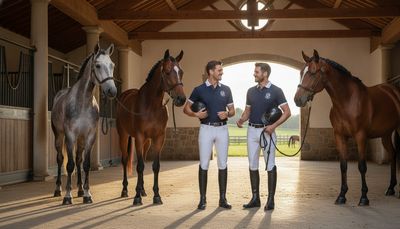
When Marcus attended his first polo clinic at the Greenwich Polo Club in Connecticut last spring, he expected to learn about mallets and strategy. What he didn't anticipate was meeting Daniel, a venture capitalist who shared his passion for horses and eventually became his partner. Gay men horseback riding together create connections that extend far beyond the saddle, blending shared athletic pursuits with opportunities to meet affluent, like-minded individuals in exclusive settings.
The equestrian world offers gay men unique advantages for building meaningful relationships. Unlike crowded bars or generic dating apps, riding stables and polo clubs attract successful professionals who invest significant time and resources into their passion. According to the United States Equestrian Federation, membership exceeded 93,000 in 2022, with adult participants representing the fastest-growing demographic. These environments naturally facilitate conversation during lessons, trail rides, and barn activities where authenticity replaces performative social media personas.
Why Equestrian Hobbies Attract Wealthy Gay Men
Horse ownership and competitive riding require substantial financial commitment. The American Horse Council Foundation estimates that horse owners spend an average of $3,876 annually per horse for basic care, with costs escalating dramatically for competition-level animals and training. This financial threshold creates a self-selecting community of established professionals and entrepreneurs.
Steven, a 38-year-old attorney from San Francisco, discovered the horse riding community through weekend dressage classes at Garrod Farms in Saratoga. Within six months, he'd formed friendships with three tech executives and a prominent surgeon. "The barn became my social hub," he explains. "Everyone there has achieved a certain level of success, but we're all equals when we're mucking stalls or cooling down our horses."
Polo particularly appeals to gay men seeking upscale social circles. The sport's association with luxury brands and high-society events creates natural networking opportunities. The United States Polo Association reported record participation in 2023, with membership concentrating in affluent regions like Palm Beach, Aspen, and the Hamptons.
Getting Started with Gay Men Horseback Riding
You don't need prior experience to enter equestrian circles. Most stables offer introductory lessons for adults, with weekly sessions costing $75-150 depending on location and instructor credentials. Start by researching barns within 30 minutes of your home that emphasize adult education programs.
Finding the Right Stable
Visit at least three facilities before committing to lessons. Observe the atmosphere during evening hours when working professionals typically ride. Notice whether students socialize after lessons or if the barn hosts community events. Ask about group trail rides, which provide relaxed settings for conversation while experiencing nature together.
The Rocking Horse Ranch in Highland, New York hosts monthly "saddle socials" where riders gather for casual group rides followed by wine tastings. Similar events at upscale facilities create low-pressure opportunities to connect with other gay men who appreciate equestrian lifestyle pursuits. Look for barns that organize seasonal competitions, fundraising galas, or educational clinics that extend beyond basic riding instruction.
Choosing Your Discipline
Different riding styles attract distinct personalities. Dressage classes appeal to detail-oriented individuals who appreciate precision and artistry. The discipline's emphasis on subtle communication between horse and rider creates a meditative quality that resonates with mindful practitioners. Hunt seat and show jumping attract competitive types who thrive on adrenaline and measurable achievement.
Western riding offers a more casual entry point with trail riding emphasis. Polo lessons, while demanding significant athletic ability, provide the most direct access to wealthy social circles. Most polo clubs require membership fees ranging from $5,000-25,000 annually, but many offer trial memberships or guest privileges for newcomers.
Building Connections at Riding Stables
Successful stable networking requires consistency and genuine engagement. Commit to riding the same days each week to establish familiarity with other regular students. Arrive 15 minutes early to help with grooming or tacking, creating informal conversation opportunities. Volunteer for barn work days or fundraising committees to demonstrate investment in the community.
Jake, a 32-year-old marketing director from Chicago, met his current partner while volunteering at a charity horse show at Lamplight Equestrian Center. "We were both assigned to gate duty," he recalls. "Six hours of managing horses in and out of the ring gave us plenty of time to talk about everything beyond riding." Their shared appreciation for the equestrian lifestyle created a foundation that extended into discussions about travel, career ambitions, and personal values.
Consider these specific strategies for stable networking:
- Join organized trail rides to smaller groups of 4-6 riders where conversation flows naturally during rest breaks and scenic overlooks
- Attend barn potlucks and holiday parties where riders socialize outside formal lesson structures
- Participate in schooling shows even as a beginner to experience the competitive community's supportive atmosphere
- Offer to share transportation to off-site events or competitions, creating private time with potential connections
- Take semi-private lessons with one or two other students to balance instruction quality with social interaction
Polo Lessons as Premium Social Access

Polo represents the pinnacle of equestrian social connection. The sport's team structure requires collaboration and communication that accelerates relationship building. Most clubs offer beginner instruction using experienced school horses, eliminating the need for immediate horse ownership.
The San Diego Polo Club conducts weekly introductory clinics every Saturday from April through October, with packages starting at $400 for four sessions. These classes intentionally mix experience levels to foster mentorship dynamics. Advanced players often invite promising newcomers to practice matches, creating organic social integration.
Trevor, a 41-year-old entrepreneur from Dallas, credits polo with transforming his social life. After joining the Dallas Polo Club in 2021, he connected with a circle of successful gay professionals who shared his appreciation for competitive sports and luxury experiences. "Polo opened doors I didn't know existed," he notes. "Within a year, I'd been invited to private boxes at major tournaments, exclusive after-parties, and weekend trips to play at other clubs." The first-date conversation skills he developed through casual barn interactions translated directly to more formal social settings.
Equestrian Events for Meeting Gay Men
Beyond regular lessons, equestrian calendar events provide concentrated networking opportunities. The Hampton Classic Horse Show in Bridgehampton, New York attracts over 50,000 spectators annually during its late-August run. VIP tickets grant access to exclusive hospitality tents where successful professionals gather between competitions.
The Winter Equestrian Festival in Wellington, Florida runs for 12 weeks from January through March, creating an extended social season. Many gay men rent seasonal accommodations to participate in this intensive riding and social calendar. The festival's evening galas and sponsor parties facilitate connections in elegant settings that complement daytime barn activities.
Regional dressage championships and breed-specific shows offer more intimate alternatives. The United States Dressage Federation's Regional Championships rotate locations annually, drawing serious competitors and enthusiasts. Volunteering as a ring steward or scorer provides insider access while contributing to the community.
Integrating Equestrian Lifestyle Into Dating
Once you've established basic riding competency, incorporate equestrian activities into your dating strategy. Suggest stable visits as first or second dates for partners who express curiosity about your hobby. Most barns welcome visitors during designated hours, and many offer guest riding experiences.
The combination of physical activity and animal interaction creates natural conversation flow while reducing typical date pressure. Watching someone interact with horses reveals character traits that restaurant conversations might conceal. Does he show patience with a nervous horse? Does he listen to instruction? Does he treat barn staff with respect?
For men already in arrangements, equestrian pursuits offer shared activities that satisfy intellectual and athletic interests simultaneously. Similar to wine tasting experiences or art collecting adventures, horseback riding provides ongoing learning opportunities that keep relationships dynamic. Weekend trips to equestrian destinations like Tryon, North Carolina or Middleburg, Virginia combine riding with luxury resort amenities and fine dining.
Investment Beyond Social Connection
Gay men horseback riding together experience benefits extending beyond partnership potential. Regular riding improves core strength, balance, and cardiovascular fitness. The mental focus required for effective riding creates mindfulness similar to meditation practices. Many riders report reduced stress and improved emotional regulation from consistent barn time.
The equestrian community's emphasis on mutual respect and continuous learning aligns with values that support healthy relationships. Unlike competitive sports where opponents face off, equestrian disciplines emphasize personal improvement and partnership with your horse. This collaborative rather than adversarial mindset translates into relationship dynamics characterized by support rather than competition.
Horse care responsibilities teach patience, consistency, and empathy. These qualities become attractive assets when building connections with successful partners who value emotional intelligence alongside ambition. The discipline required for regular riding schedules demonstrates reliability that sophisticated men notice and appreciate.
Overcoming Common Barriers
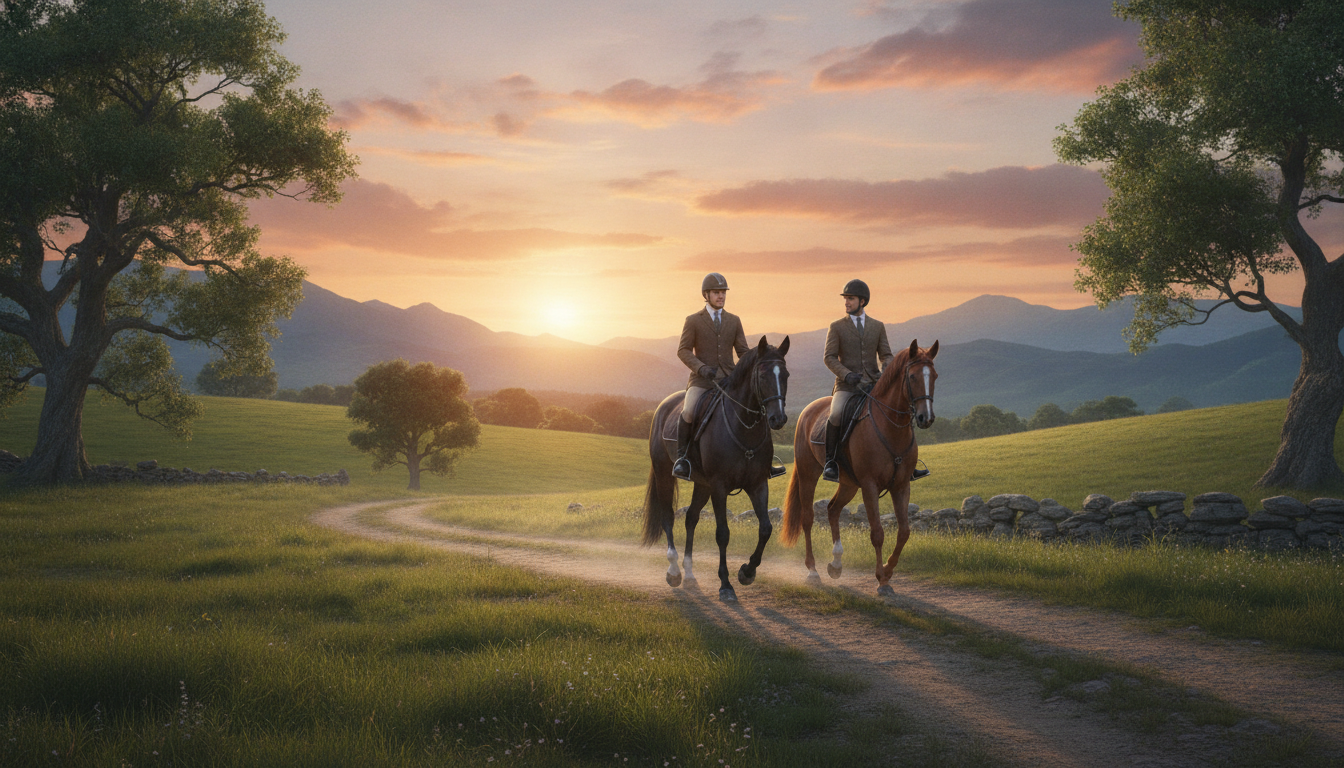
Many gay men hesitate to pursue equestrian hobbies due to perceived barriers. Physical fitness concerns often top the list, but riding instruction progresses gradually from walk to trot to canter over months or years. Instructors adapt lessons to individual fitness levels, and the sport accommodates diverse body types and ages.
Cost represents a legitimate consideration. However, you don't need to own a horse to participate meaningfully in equestrian communities. Lesson programs provide access to well-trained horses without ownership expenses. Many serious riders compete and socialize for years using leased horses or participating in catch-riding opportunities at their home barns.
Some men worry about fitting into perceived country-club atmospheres. Modern equestrian culture has evolved considerably, with many barns actively promoting diversity and inclusion. Research facilities through online reviews and social media to identify welcoming environments. LGBT equestrian groups exist in major metropolitan areas, including the Gay and Lesbian Equestrian Society in California and similar organizations nationwide.
Long-Term Community Integration
Successful gay men horseback riding together often transition from casual acquaintances to genuine friendships that anchor their social lives. Unlike gym memberships or networking groups that feel transactional, barn communities develop organic bonds through shared challenges and celebrations.
Consider the progression of commitment levels. Initial lessons establish basic skills while you evaluate community fit. After six months of consistent participation, you'll recognize regular faces and establish rapport. By the one-year mark, many riders volunteer for barn committees, participate in group trail trips, or co-lease horses with barn friends.
This graduated integration mirrors successful relationship building. You demonstrate genuine interest rather than appearing opportunistic. You contribute value to the community before seeking connections. You build trust through consistent presence and authentic engagement.
Frequently Asked Questions
What should I wear for my first riding lesson?
Wear long pants without interior seams that might chafe, sturdy boots with a small heel, and a fitted shirt. Most barns provide helmets initially, but plan to purchase an ASTM-certified helmet if you continue beyond introductory lessons. Avoid loose clothing that might catch on equipment.
How long before I can join group trail rides?
Most riders need 8-12 lessons to develop sufficient balance and control for supervised trail rides. Your instructor will assess your readiness based on your ability to walk, trot, and halt independently. Group trail rides typically accommodate mixed experience levels with appropriate horse assignments.
Do I need to own a horse to participate in polo?
No, most polo clubs maintain strings of experienced polo ponies for lessons and practice matches. Competitive play eventually requires leasing or ownership, but many recreational players participate for years using club horses. Entry-level polo costs focus on lessons, club fees, and equipment rather than horse ownership.
What are realistic costs for regular riding participation?
Weekly lessons typically cost $300-600 monthly depending on location and instructor credentials. Add $50-100 monthly for equipment amortization including helmet, boots, and riding pants. Competitive participation increases costs through show fees, transportation, and specialized attire, but recreational riders manage participation on $4,000-7,000 annually.
Where do gay men find equestrian communities that welcome them?
Research barns through online reviews mentioning inclusive atmospheres. Visit during evening hours to observe demographics and interactions. Ask direct questions about community culture during facility tours. Consider starting at larger boarding and lesson facilities in metropolitan areas where diversity typically exceeds rural or exclusive private barns.
Start Your Equestrian Journey Today
Gay men horseback riding together discover that shared passion creates powerful relationship foundations. The equestrian lifestyle combines physical challenge, mental engagement, and social connection in environments that attract successful, authentic individuals. Whether you pursue dressage precision, polo excitement, or peaceful trail rides, the horse world offers pathways to meaningful connections.
Book an introductory lesson at a local stable this week. Visit during evening hours to observe the community atmosphere. Commit to eight weeks of consistent participation before evaluating fit. The relationships you build through equestrian hobbies may extend far beyond the barn, creating social circles and potential partnerships that enrich every aspect of your life. Your next meaningful connection might be waiting at the mounting block.