Wine Tasting Basics for Gay Men in Arrangements
Reading time: 11 minutes
Your affluent partner orders a 2015 Château Margaux, and the sommelier pours a small tasting portion. You freeze. Do you swirl clockwise or counterclockwise? Should you sniff loudly or gently? When you're navigating upscale restaurants with a wealthy companion, wine knowledge isn't just about drinking—it's about demonstrating refinement, cultural awareness, and your ability to fit seamlessly into his world. Mastering wine tasting basics transforms what could be an awkward moment into an opportunity to impress.
According to the Wine Market Council's 2023 Consumer Tracking Study, 44% of high-income millennials consider wine knowledge essential for social situations. For gay men in sugar arrangements, this skill becomes even more valuable. Your partner likely has decades of experience tasting wines from Napa Valley to Bordeaux, and while he doesn't expect you to be a Master Sommelier, he appreciates a companion who can engage meaningfully in the ritual.
Understanding Wine Tasting Basics: The Five S's Method
Professional sommeliers use a structured approach called the Five S's: See, Swirl, Sniff, Sip, and Savor. This method, standardized by the Court of Master Sommeliers in 1977, provides a framework that works in any dining scenario. When the sommelier presents your glass at The French Laundry or Per Se, you'll know exactly what to do.
Start by examining the wine's appearance. Hold your glass by the stem against a white background (your napkin works perfectly). A deeper ruby color in red wines typically indicates fuller body and higher tannins. Burgundy Pinot Noirs appear lighter than Napa Cabernet Sauvignons, for example. White wines darken with age—a pale straw-colored Chardonnay suggests youth, while golden hues indicate barrel aging or bottle maturity.
The Swirl Technique That Impresses
Swirl your glass gently on the table surface in small circles. This aerates the wine and releases aromatic compounds. The "legs" or "tears" that form on the glass indicate alcohol content and viscosity. A 2019 Opus One Cabernet Sauvignon at 14.5% alcohol creates pronounced, slow-moving legs compared to a lighter wine.
Never fill your glass more than one-third full—this isn't about quantity but about proper tasting technique. Wealthy collectors understand this principle instinctively, and following it signals your sophistication.
Vintage Terminology Every Gay Sugar Baby Should Know
When your partner mentions a wine's vintage, he's referring to the year the grapes were harvested. This single detail reveals volumes about the wine's character. The 2010 vintage in Bordeaux is legendary—Wine Spectator rated it 98 points, calling it the vintage of the century. Knowing this allows you to respond appropriately when he orders a 2010 Château Latour.
Master these essential terms before your next dinner date:
- Tannins: Compounds from grape skins creating that dry, puckering sensation on your tongue, most prominent in Cabernet Sauvignon and Nebbiolo
- Body: The wine's weight and texture—compare it to the difference between skim milk (light body) and whole milk (full body)
- Terroir: The environmental factors (soil, climate, terrain) affecting grape character, explaining why 2016 Burgundies taste distinctly different from 2016 Napa wines
- Finish: The flavors lingering after swallowing, with premium wines offering 30-60 second finishes compared to 5-10 seconds for everyday bottles
- Oak: Barrel aging that imparts vanilla, toast, and spice notes, particularly in American oak versus the subtler French oak
Reading a Wine List Without Panic
Fine dining wine lists organize bottles by region, varietal, or style. At establishments like Eleven Madison Park or The Dorchester, lists often span 50-100 pages. Don't let this intimidate you. Focus on regions you recognize—Bordeaux, Burgundy, Napa Valley, Tuscany. If uncertain, a Châteauneuf-du-Pape offers reliable quality, or select wines from producers like Domaine de la Romanée-Conti or Screaming Eagle if budget isn't a concern.
Notice vintage variations and price points. A 2015 bottle priced significantly higher than the 2016 from the same producer indicates the superior vintage. The Wine Advocate's vintage chart, published annually since 1978, provides ratings for major regions. Just like mastering opera etiquette demonstrates cultural fluency, understanding these wine fundamentals shows you're invested in his world.
Wine Pairing Guide for Upscale Restaurant Dinners
Pairing wine with food isn't mysterious—follow basic principles that sommeliers use. The fundamental rule: match weight with weight. Delicate Dover sole pairs with light-bodied Chablis, while a 16-ounce ribeye demands a robust Barolo or Napa Cabernet. The tannins in red wine cut through fat, which is why steakhouses stock extensive Cabernet collections.
Acid in wine refreshes your palate. High-acid wines like Sancerre (Sauvignon Blanc) or Chianti complement rich, fatty dishes. Sweetness in wine should exceed the dish's sweetness—pair foie gras with Sauternes, not dry Riesling. Salt in food softens tannins, making bold reds taste smoother alongside aged Parmigiano-Reggiano.
Regional Pairing Strategies
The classic advice "what grows together goes together" rarely fails. Italian Barbera naturally complements tomato-based pasta because the grape's high acidity balances tomato's acidity. Spanish Albariño from Rías Baixas pairs perfectly with the region's seafood. When dining at a French restaurant, Burgundy Pinot Noir works beautifully with coq au vin because both originate from the same terroir.
For complex tasting menus at restaurants like Alinea or The Fat Duck, sommeliers often suggest wine pairings. Don't hesitate to accept their expertise—it demonstrates confidence, not ignorance. Many wealthy diners prefer sommelier selections because they've tasted thousands of combinations.
Sommelier Etiquette at Fine Dining Establishments
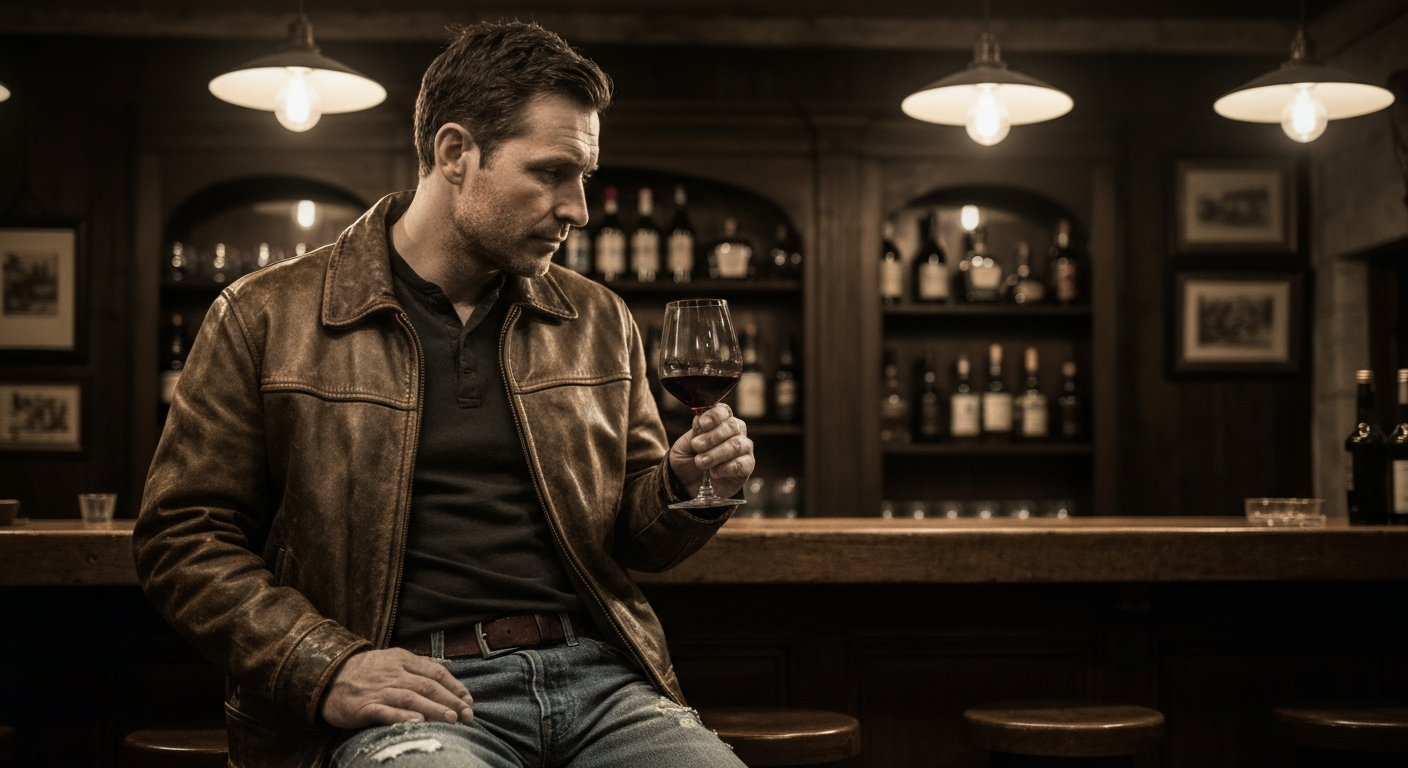
The sommelier presents the bottle label-forward to your partner (the host who ordered). He'll examine it, confirming producer, vintage, and appellation before nodding approval. The sommelier opens the bottle at the table, presenting the cork. Contrary to popular belief, you don't sniff the cork—simply glance at it to confirm it's not dried out or moldy.
The sommelier pours a small amount, roughly one ounce, for tasting. Your partner tastes first as the host. If he nods to you, take your turn. Swirl, sniff, and sip thoughtfully. You're checking for faults—cork taint (smells like wet cardboard), oxidation (sherry-like aroma in non-fortified wines), or excessive volatile acidity (vinegar smell). According to a 2022 study by the Australian Wine Research Institute, approximately 3-5% of cork-sealed wines have detectable cork taint.
If the wine is sound (and 95% of bottles are), simply nod and say "It's lovely" or "Perfect, thank you." The sommelier fills glasses for everyone at the table, serving guests before the host. He'll return periodically to refill glasses. In the rare event a wine is genuinely faulty, discreetly indicate the issue to the sommelier. Legitimate establishments replace flawed bottles without question.
Developing Your Wine Knowledge Beyond the Basics
Consider attending wine tastings at local wine shops or restaurants. Many cities offer introduction courses through organizations like the Wine & Spirit Education Trust, which established its Level 1 certification in 1969. These courses cost $300-500 and provide structured knowledge about regions, varietals, and tasting techniques. Similar to how understanding luxury watches signals attention to quality, wine education demonstrates your commitment to refinement.
Build a mental library of benchmark wines. Taste a classic Châteauneuf-du-Pape like Château de Beaucastel to understand Grenache-based blends. Try Trimbach Riesling from Alsace to recognize what "bone-dry" means in white wine. Experience the difference between New World and Old World styles by comparing a fruit-forward Napa Chardonnay with a mineral-driven Puligny-Montrachet.
Wine Apps and Resources for Ongoing Learning
Download Vivino or Delectable to photograph wine labels and access ratings, tasting notes, and price comparisons. These apps crowdsource reviews from millions of users worldwide. Wine Spectator's database, available by subscription since 1976, offers professional ratings and detailed tasting notes for over 400,000 wines.
Follow wine critics like Jancis Robinson or Antonio Galloni for insights into exceptional vintages and producers. Their websites provide vintage charts, regional reports, and buying guides. Subscribe to newsletters from Christie's or Sotheby's wine auctions to understand what serious collectors value—this knowledge proves invaluable when your partner discusses his cellar.
Common Wine Tasting Mistakes to Avoid
Never hold your glass by the bowl—this warms the wine and leaves fingerprints. Always hold by the stem. Don't wear heavy cologne or perfume to wine tastings, as it interferes with aromatic assessment. Avoid eating strong mints or chewing gum beforehand, which numb your palate.
Skip the pretentious language. You don't need to describe a wine as having "notes of forest floor with hints of saddle leather and tobacco." Simple, honest observations work better: "I'm getting dark cherry and a bit of spice" or "This feels quite smooth and elegant." Authenticity trumps affectation every time, just as establishing clear boundaries in your arrangement creates genuine connection.
Don't feel obligated to finish every glass. At multi-course dinners with wine pairings, you might receive 6-8 different wines. Pace yourself. Sommeliers provide dump buckets at formal tastings precisely so participants can sample without overindulging. Your partner values your composure more than your drinking capacity.
Building Confidence Through Practice
Wine knowledge develops gradually through repeated exposure. Start by selecting a different wine weekly at restaurants or wine shops. Request guidance from shop staff—most wine retailers employ knowledgeable staff eager to educate customers. Many shops offer free weekend tastings where you can sample 4-5 wines in a casual setting.
When dining with your partner, pay attention to his selections and observations. Ask questions like "What do you enjoy most about this vintage?" or "Have you visited this producer's estate?" These questions demonstrate genuine interest while allowing him to share his expertise. Wealthy men appreciate partners who show intellectual curiosity.
Consider visiting wine regions together. Napa Valley, Sonoma, Willamette Valley, and Paso Robles offer accessible domestic options. European trips might include Bordeaux, Tuscany, or Rioja. These experiences combine education with memorable bonding time, strengthening your arrangement while expanding your wine knowledge organically.
Frequently Asked Questions About Wine Tasting Basics
What should I do if I genuinely dislike the wine my partner ordered?
Taste objectively for faults first—cork taint, oxidation, or volatile acidity. If the wine is sound but simply not to your taste, you can politely mention your preference without criticism. Say something like "This is quite bold—I tend to prefer lighter styles" rather than "I don't like this." Your partner might offer to order a glass of something different for you, which is perfectly acceptable at upscale establishments. The sommelier can suggest alternatives that complement your meal while matching your taste preferences.
How much should I spend when selecting wine at a restaurant?
Standard etiquette suggests spending 25-40% of the total food bill on wine when you're hosting, but in arrangements, your partner typically handles ordering and payment. If asked to choose, select something in the middle price range of the list—avoiding both the cheapest and most expensive options shows thoughtfulness. At a restaurant with wines ranging from $60-800, a $150-250 bottle demonstrates good judgment. However, if your partner has specific preferences or a celebratory occasion warrants it, don't hesitate to suggest premium selections he might enjoy.
What if I can't distinguish between different wines during a tasting?
Palate development takes time—professional sommeliers train for years. Start by identifying basic differences: red versus white, sweet versus dry, light versus full-bodied. Then progress to recognizing fruit families (citrus versus stone fruit in whites, red versus black fruit in reds). The average person needs to taste a wine 3-4 times to develop familiarity. Don't feel pressured to identify "black currant, cigar box, and graphite" when you simply taste "dark fruit and something earthy." Honest, simple observations are always preferable to pretentious fabrications.
Why do some restaurants decant wine and others don't?
Decanting serves two purposes: separating wine from sediment in older bottles and aerating young, tannic wines. Bordeaux and Napa Cabernets under 10 years old benefit from 30-60 minutes of decanting to soften tannins. Vintage Ports and aged Burgundies need careful decanting to avoid disturbing sediment that naturally forms in bottle after 15-20 years. However, delicate older wines or aromatic whites like Riesling typically shouldn't be decanted, as exposure to oxygen diminishes their character. Trust the sommelier's recommendation based on the specific bottle's age and style.
What distinguishes expensive wines from affordable ones?
Price reflects multiple factors: vineyard location (prime Burgundy Grand Cru vineyards cost €5-15 million per hectare), limited production (some Napa cult wineries produce only 200-500 cases annually), aging requirements (Barolo must age minimum 38 months before release), and critical acclaim. A 2019 study in the Journal of Wine Economics found that while expert tasters can distinguish quality differences, many consumers cannot reliably identify expensive wines in blind tastings. However, prestige wines often age better, develop more complexity, and come from exceptional vintages. Your partner likely values both the liquid and the story, provenance, and status that accompany prestigious bottles.
Conclusion: Wine Knowledge as Social Currency
Mastering wine tasting basics isn't about becoming an expert overnight—it's about demonstrating cultural engagement and intellectual curiosity. When you can confidently swirl, sniff, and discuss a 2016 Brunello di Montalcino or 2018 Russian River Chardonnay, you signal sophistication that enhances your value in upscale social situations. Your affluent partner appreciates companions who can navigate wine lists, engage with sommeliers professionally, and participate meaningfully in the rituals of fine dining.
Start practicing these wine tasting basics at your next restaurant visit. Download a wine app today, attend a local tasting this weekend, or simply order something unfamiliar and pay attention to the experience. Every glass expands your knowledge and confidence. The investment you make in wine education pays dividends throughout your arrangement and beyond, opening doors to gallery openings, charity galas, and exclusive events where wine knowledge serves as essential social currency.