Opera Etiquette: Impress Your Affluent Companion
Reading time: 10 minutes
The velvet curtain rises, the orchestra swells, and your affluent companion glances sideways to gauge your reaction. This moment at the Metropolitan Opera or Wiener Staatsoper can either cement your status as a cultured partner or reveal gaps in your high society preparation. Mastering opera etiquette isn't just about avoiding social blunders—it's your ticket to demonstrating the refinement that wealthy partners value in their arrangements.
According to Opera America, over 2.3 million Americans attended professional opera performances in 2019, with ticket prices for premium seats at houses like La Scala reaching €700 or more. When your companion invests in these experiences, your cultural literacy becomes as important as your appearance. The opera house is where sugar relationships transform into sophisticated partnerships, provided you know the unwritten rules.
Understanding Dress Codes at World-Class Opera Houses
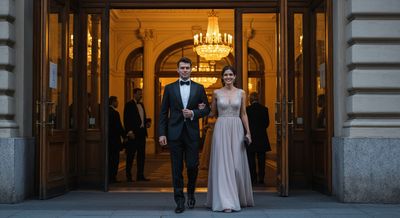
Opera house behavior begins before you enter the auditorium. The Metropolitan Opera in New York requests business attire as a minimum for evening performances, while opening nights demand black tie. At the Royal Opera House in Covent Garden, patrons in the Grand Tier and Royal Balcony typically wear formal evening wear. Your choice of attire signals whether you understand the cultural refinement your companion expects.
For standard performances, a tailored dark suit with a silk pocket square demonstrates appropriate formality. Tom Ford's O'Connor suit in midnight blue or a Brioni three-piece in charcoal creates the right impression without overshadowing your companion. Opening nights and gala performances require a tuxedo—Saint Laurent's signature satin-lapel dinner jacket remains a safe choice. Research the specific venue beforehand; the Bayreuth Festival maintains notoriously strict formal dress expectations even for matinee Wagner performances.
Luxury watches complete your opera ensemble with understated elegance. A Patek Philippe Calatrava or Jaeger-LeCoultre Reverso speaks to traditional sophistication. Avoid smartwatches entirely—checking notifications during La Bohème broadcasts disrespect for both art and company.
Pre-Performance Protocol and Arrival Timing
Arrive at the opera house 30 to 45 minutes before curtain time. This window allows for coat check, collecting programs, and pre-performance champagne without rushed stress. The Paris Opera recommends arrival 40 minutes early for prime seating locations. Use this time to review the program notes together, demonstrating genuine interest in the evening's production.
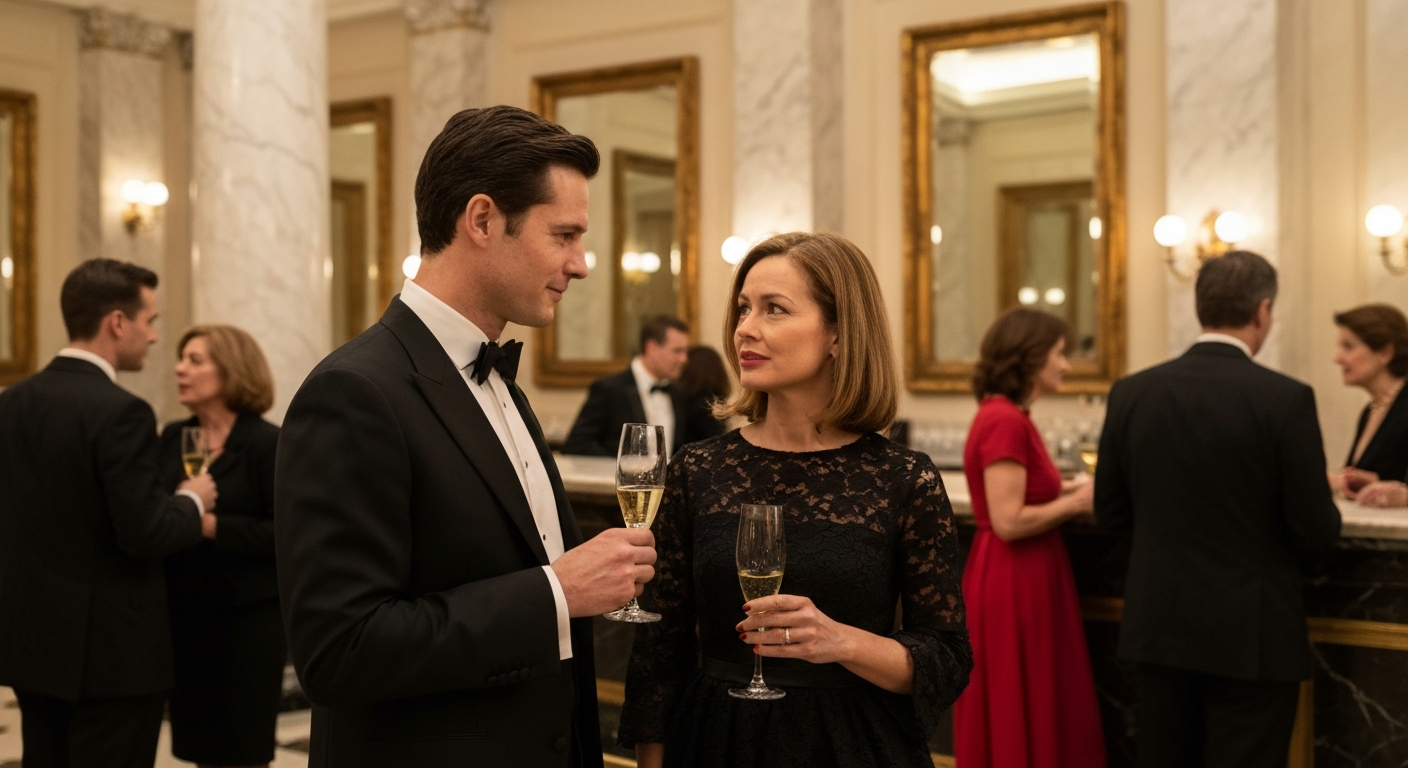
At the bar before the performance begins, order champagne or a classic cocktail. Bollinger Special Cuvée or Veuve Clicquot Yellow Label are standard offerings at major houses. Avoid complicated drink orders that delay service for others. This pre-show period offers valuable conversation time to discuss the composer's biography or previous productions you've researched.
Present your companion with a thoughtful detail about the evening's opera. Mention that tonight's Tosca features the same staging that premiered at Covent Garden in 1964, or that the soprano performing Violetta studied at the Curtis Institute. This preparation shows investment beyond mere attendance. Similar preparation works at gallery openings where cultural knowledge impresses sophisticated partners.
Navigating the Performance with Grace
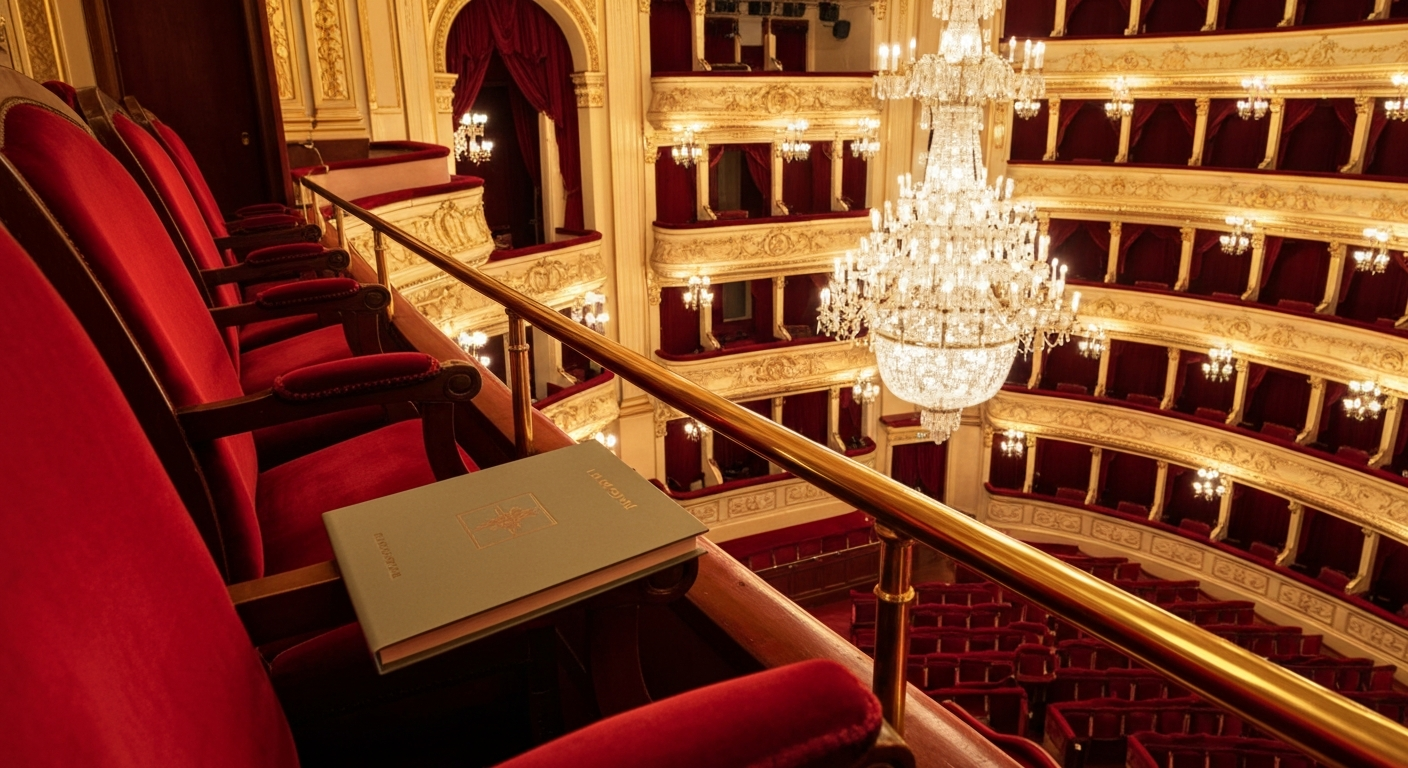
Once seated, silence your phone completely. The Vienna State Opera famously ejects patrons whose devices make sounds during performances. Switch to airplane mode rather than vibrate—even buzzing disrupts nearby audience members. Store your phone in an interior jacket pocket where you won't be tempted to check it.
Applause follows specific conventions in opera houses. Clap after arias when the music concludes and the singer acknowledges the audience, but never interrupt the musical flow. At Wagner performances, tradition dictates no applause between acts of each opera. The Bayreuth Festival maintains complete silence until the final note concludes, a rule enforced since Wagner's own era. Follow your companion's lead initially, but learning these nuances independently demonstrates cultural sophistication.
Managing Coughs, Movements, and Comfort
Suppress coughs quietly into a handkerchief during loud orchestral passages, never during quiet moments or arias. Bring throat lozenges unwrapped before the performance begins—crinkling cellophane during pianissimo sections marks you as inexperienced. If you must leave during the performance, wait for scene changes when movement won't disturb others or block sightlines.
Lean back in your seat rather than forward. Hunching blocks views for patrons behind you, a particular concern in historic opera houses with tiered seating arrangements. Keep your legs in your own space without spreading wide. The Teatro alla Scala has notoriously tight seating where spatial awareness becomes essential.
Mastering Intermission Conversations
Intermission offers your best opportunity to showcase cultural refinement through informed conversation. Avoid simply saying you "liked" or "didn't like" what you witnessed. Instead, reference specific elements: the soprano's interpretation of "Vissi d'arte," the innovative staging of the Act One finale, or the conductor's tempo choices in the overture.
Prepare conversation topics before attending. Read reviews of the production in Opera News or Gramophone magazine. The New York Times opera criticism archives provide excellent background on major works and performers. Mention that you read Zachary Woolfe's review of this same production or reference Anthony Tommasini's interpretation of the director's concept.
Discuss performances at intermission using these frameworks:
- Compare this soprano's Mimi to Renée Fleming's interpretation at the 2008 Met production
- Comment on how the minimalist staging contrasts with traditional productions at La Scala
- Reference how this conductor's tempo in the Act Two quartet differs from the Karajan recording
- Mention specific staging choices that enhanced or distracted from the dramatic narrative
Post-Opera Dining and Discussion
Many affluent opera enthusiasts maintain post-performance dining traditions at establishments near major houses. The Ivy in London's Covent Garden, Grand Tier Restaurant at the Met, or Café Landtmann near the Vienna State Opera serve as traditional gathering spots. Your companion may have reservations at these venues or prefer a quieter setting for detailed discussion.
Continue the evening's cultural theme during dinner. Discuss which moments resonated emotionally, which arias showcased exceptional vocal technique, and how this production compared to others you've researched. Avoid dominating the conversation, but contribute substantive observations that demonstrate genuine engagement with the art form.
According to a 2021 survey by the Royal Opera House, 68% of regular opera attendees cite "sharing cultural experiences" as their primary motivation for attendance. Your role as a companion extends beyond mere presence to active participation in that shared cultural moment.
Building Long-Term Opera Knowledge
Transform opera attendance from isolated events into ongoing cultural education. Subscribe to streaming services like OperaVision or Met Opera on Demand to watch productions before attending live. Build familiarity with standard repertory works—Verdi's La Traviata, Puccini's La Bohème, Mozart's Don Giovanni, and Bizet's Carmen appear most frequently in major house programming.
Read opera synopses and historical context before each performance. The Metropolitan Opera provides detailed program notes on their website weeks in advance. Familiarize yourself with the plot structure so you follow dramatic developments even if performed in the original Italian or German. Many houses now offer subtitle displays, but knowing the narrative arc independently demonstrates preparation.
Selecting the Right Opera for Cultural Dates
When you progress to suggesting opera outings, choose carefully for maximum impact. Verdi's Rigoletto offers dramatic intensity with a compact three-act structure and famous arias that maintain engagement. Puccini's Tosca provides similar accessibility with its thriller plot and stunning music. Both run approximately two hours with one intermission—manageable lengths for opera newcomers.
Avoid Wagner as initial opera choices unless your companion specifically requests it. While culturally significant, Ring Cycle operas extend five to six hours and demand substantial endurance. Save these experiences for when you've established your opera credentials. Similarly, contemporary experimental productions may alienate rather than impress if your companion prefers traditional interpretations.
Research the specific production and creative team. Director David McVicar's traditional stagings please conservative opera enthusiasts, while Robert Lepage's technological innovations attract modernist tastes. Knowing your companion's aesthetic preferences—gathered through casual conversations about art and culture—guides appropriate selections.
Common Opera Etiquette Mistakes to Avoid
Never arrive after curtain time expecting to be seated immediately. Most opera houses prevent entry until the first convenient break, potentially meaning you miss 20 to 30 minutes of the first act. The Vienna State Opera strictly enforces this policy, seating latecomers only at the first scene change.
Don't photograph or record during performances. Aside from violating copyright and house policies, the light from your phone screen disturbs hundreds of nearby patrons. The Metropolitan Opera ejects patrons caught photographing and may ban them from future attendance. If you want performance memories, purchase official recordings or programs.
Avoid wearing strong fragrances to opera performances. Enclosed spaces and lengthy performances mean your cologne affects dozens of nearby patrons. A subtle scent works best; Tom Ford's Grey Vetiver or Acqua di Parma's Colonia provide refinement without overwhelming projection.
Frequently Asked Questions About Opera Etiquette
What should I do if I don't understand the language during an opera performance?
Most major opera houses display translated supertitles above the stage or on seatback screens. Read the synopsis beforehand so you follow the plot even if you miss specific lyric translations. Focus on the music and dramatic action rather than understanding every word. Opera communicates through musical emotion as much as literal text. After several performances, you'll recognize famous arias even in the original Italian or German.
When is it appropriate to leave my seat during an opera performance?
Exit only during intermissions unless you face a genuine emergency. If you absolutely must leave during the performance, wait for a loud orchestral passage or scene change when your movement causes minimal disruption. Return to your seat only at the next act break. Some opera houses like Bayreuth prohibit re-entry entirely once an act begins. Plan ahead by using facilities during intermissions and limiting beverage consumption beforehand.
How can I learn which operas my affluent companion prefers?
Listen carefully to casual comments about composers, performers, or specific productions. Ask open-ended questions about memorable opera experiences without putting them on the spot to test your knowledge. Notice which opera recordings appear in their music collection or which performances they stream. Suggest attending a mixed program at a summer festival to gauge reactions to different styles. Pay attention to whether they prefer Italian bel canto, German romantic works, or French grand opera traditions.
What conversation topics work best during opera intermissions?
Focus on specific performance elements you observed: the soprano's vocal technique in her aria, the innovative lighting design during the ensemble, or how the conductor's tempo choices affected dramatic tension. Reference other productions you've researched for comparison. Ask your companion's interpretation of character motivations or staging choices. Avoid generic comments like "that was nice" in favor of detailed observations that demonstrate active engagement with the performance.
Why do some audience members wait to applaud between acts?
Wagner operas traditionally receive no applause between acts to maintain dramatic continuity, a practice Wagner himself established at Bayreuth. Some contemporary productions request no applause at specific moments to preserve theatrical atmosphere. Follow the lead of experienced audience members around you. When in doubt, wait a moment before clapping to see how others respond. This caution prevents awkward solo applause that disrupts the performance atmosphere.
Elevate Your Cultural Presence Through Opera Mastery
Opera etiquette represents more than following rules—it demonstrates the cultural sophistication that transforms casual arrangements into respected partnerships. When you navigate the opera house with confidence, understand appropriate dress codes for different venues, and contribute informed intermission conversations, you position yourself as a companion worthy of high society events. These skills complement the refined presentation you cultivate in every aspect of your relationship.
The investment in learning opera etiquette pays dividends beyond individual performances. Your companion recognizes genuine effort to understand their cultural world, a quality that distinguishes memorable partners from forgettable ones. Start by attending accessible works like La Bohème or Carmen, build knowledge through streaming services and program notes, and gradually expand your repertoire to include more challenging works. Within a season, you'll navigate opening nights at major opera houses with the assurance of someone born into this world.
Ready to enhance your cultural refinement beyond the opera house? Master the complete spectrum of high society events that affluent companions value. Your journey toward sophisticated partnership begins with commitment to continuous cultural education and authentic engagement with the arts.